





di ROSITA SPINOZZI –
Progetti speciali dell’Archeoclub d’Italia, eventi in contemporanea in tutto il territorio nazionale. “Primavera nei Borghi” e “Chiese Aperte”, ecco le proposte dell’Archeoclub di Ripatransone –
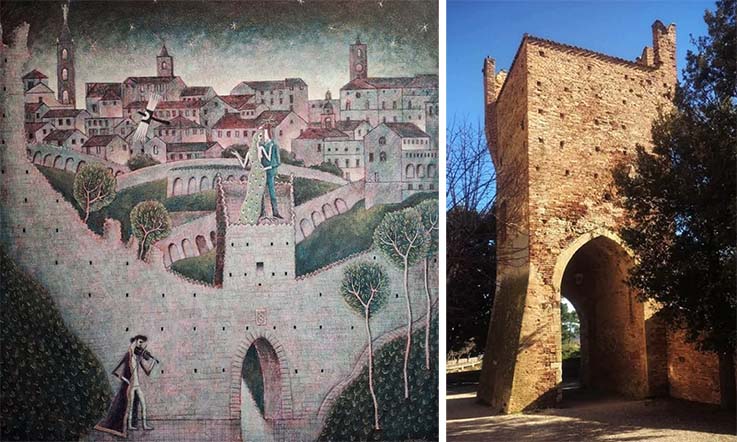
 RIPATRANSONE – Anche le Marche hanno partecipato con entusiasmo ai progetti speciali promossi da Archeoclub d’Italia, iniziative che coinvolgono contemporaneamente le sedi presenti su tutto il territorio nazionale con l’obiettivo di valorizzare storia, arte, paesaggio e identità locali. Per l’edizione 2026 di “Primavera nei Borghi” (19 aprile), la sede marchigiana ha scelto di raccontare uno degli angoli più suggestivi di Ripatransone: il Castello di Monte Antico, un caratteristico quartiere medievale integrato nel centro storico, famoso per la sua Porta d’accesso e i suoi scorci panoramici, oggi realtà vivace dal punto di vista artistico e culturale. Risalente al IX secolo, è uno dei quattro castelli originari – insieme a Capo di Monte, Agello e Roflano – che hanno dato origine all’abitato di Ripatransone. Il borgo si distingue per la presenza di gallerie d’arte, locali dove è possibile degustare prodotti tipici del territorio e antichi palazzi dall’architettura ben conservata. A rendere ancora più affascinante il luogo è il panorama straordinario che si apre dalle montagne del Gran Sasso, della Maiella e del Monte Vettore fino al mare Adriatico. Come simbolo dell’iniziativa “Primavera nei borghi” è stata scelta la rappresentazione dei quattro castelli uniti dalle mura di cinta che diedero origine alla città di Ripatransone. L’opera scelta come logo della manifestazione è “A Midsummer Night’s Dream in Ripatransone” del pittore americano Steve Negrón, che interpreta in modo personale il borgo attraverso immagini fortemente evocative ed emozionali: una giovane coppia danza sopra un torrione di avvistamento, mentre un suonatore di violino, posto accanto a una delle antiche porte cittadine, sembra invitare il visitatore a entrare, sostituendo simbolicamente le tradizionali guardie militari.

Tra i progetti speciali promossi dall’ Archeoclub d’Italia c’è stata anche l’iniziativa “Chiese Aperte”, svoltasi il 10 maggio 2026. Le indicazioni della sede centrale invitavano a valorizzare chiese e luoghi legati alla presenza francescana nel territorio. «La nostra scelta è ricaduta sulla chiesa di San Pastore, edificata nel 1245 e successivamente ridimensionata e completamente ristrutturata nel XVIII secolo. – spiega Donatella Donati Sarti, presidente della sede locale dell’Archeoclub d’Italia, – Negli anni Ottanta del Novecento, durante lavori di risanamento, sono stati riportati alla luce numerosi 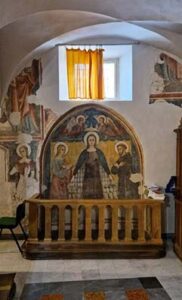 affreschi che decoravano intere pareti della primitiva chiesa medievale. Tali dipinti furono ricoperti d’intonaco nel corso degli interventi settecenteschi, presumibilmente anche per esigenze sanitarie diffuse in quell’epoca. Sulla parete destra, in un affresco raffigurante la Crocifissione, è chiaramente visibile la figura di San Francesco con le stimmate. Considerando che il santo ricevette le stimmate alla Verna nel 1224 e che la chiesa venne costruita pochi anni dopo, questa testimonianza conferma come il culto francescano si fosse diffuso molto precocemente nel territorio». Le iniziative promosse dall’Archeoclub d’Italia continuano così a rappresentare un’importante occasione di valorizzazione del patrimonio storico, artistico e culturale locale, rafforzando il legame tra comunità, memoria e territorio.
Copyright©2026 Il Graffio, riproduzione riservata
Archeoclub d’Italia: the Marche branches take center stage in special projects – focus on Ripatransone


